Discovering the Finest Pool Contractor Services for Your Perfect Pool
Selecting the ideal pool contractor is an important step in realizing one's dream pool. It demands a deliberate approach to identifying specific needs and preferences. Knowing the fundamental qualities of a contractor can significantly influence the outcome. Furthermore, being aware of what questions to ask and how to plan a budget is essential. As the process unfolds, the nuances of timelines and contracts will also emerge as factors, uncovering additional layers of the decision-making process.
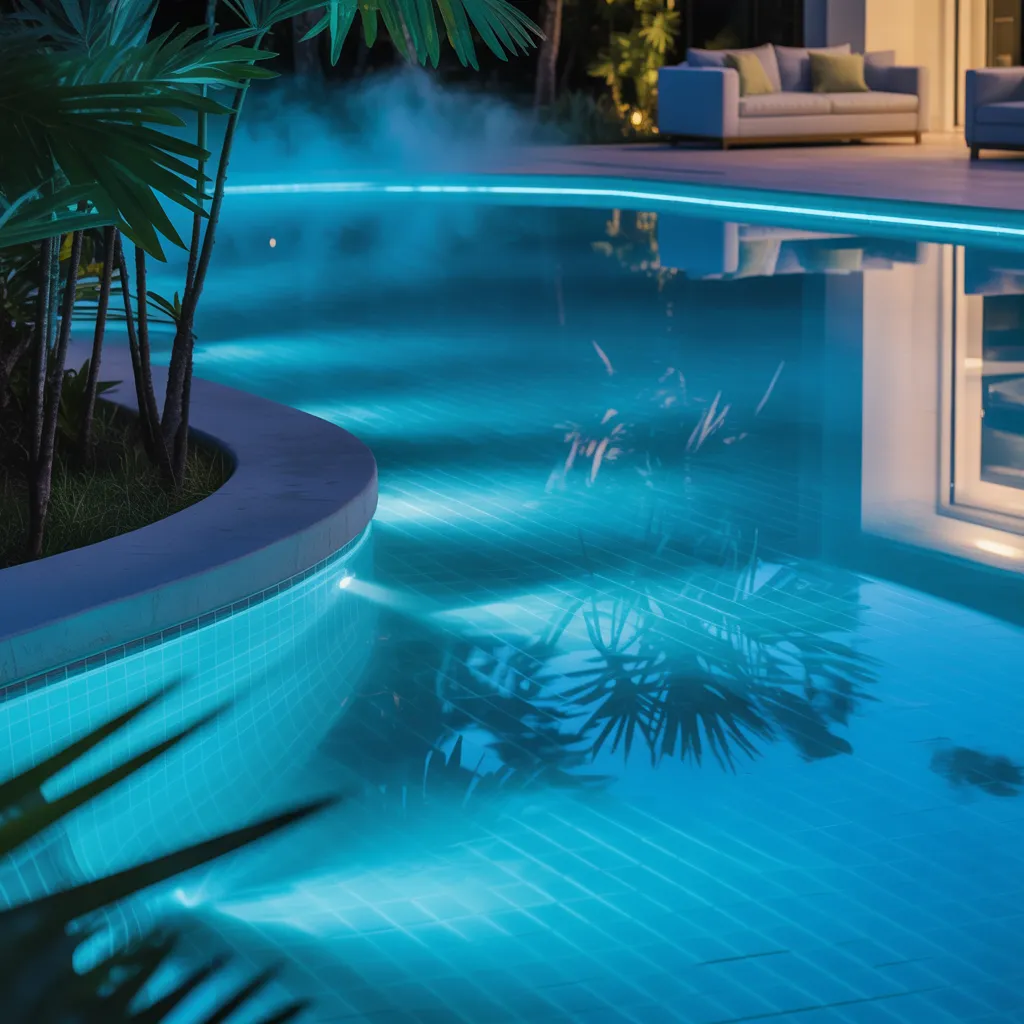
Outline Your Vision for a Pool Contractor
How can one effectively define their vision for a pool contractor? Initially, people should take the time to map out their exact wishes for the pool, such as size, shape, and design elements. Having this level of detail makes it easier to communicate goals to prospective contractors. Additionally, it is important to think about the practical purposes of the pool, whether it is intended for leisure, fitness, or unwinding. Including design touches like water features, lighting options, or surrounding landscaping can bring greater definition to the envisioned project.
Additionally, budget constraints play a significant role in shaping expectations. A well-defined budget empowers individuals to focus on essential components while acknowledging project boundaries. Exploring different styles and materials can spark fresh and original ideas, making certain the project vision stays realistic and inspiring. To conclude, having a clear timeline for finishing the project will assist in choosing a contractor who can fulfill these time requirements. By articulating these components, individuals can develop a comprehensive plan that helps them identify the most suitable pool contractor.
Key Qualities to Look for When Selecting a Pool Contractor
With a well-defined vision in place, the next phase entails finding the ideal pool contractor to turn that vision into reality. Important qualities to take into account include knowledge and skill in pool design and construction. A reputable contractor should have a portfolio displaying past projects highlighting their capability to address different styles and budgets. Strong communication skills are equally important; the contractor should be open and transparent, guaranteeing that clients are kept informed at every stage of the process.
Furthermore, a reputable pool contractor will carry necessary certifications and coverage, providing confidence in terms of regulatory compliance against financial risks. Client testimonials and reviews can offer valuable insights into the pool contractor's dependability and service quality. Lastly, a good pool contractor should be willing to offer a detailed contract specifying timelines, costs, and warranties, highlighting their commitment to quality and accountability. By considering these essential factors, clients can reach informed decisions in their pursuit of the best pool contractor.
Essential Questions to Ask Pool Contractors
When choosing a pool contractor, it is important to establish project timeline details to secure timely completion. Moreover, knowing the contractor's licensing and insurance information can protect against potential liabilities. These critical questions will enable homeowners to make educated decisions and identify a trustworthy professional.
Project Schedule Expectations
Knowing project timeline expectations is vital when working with a pool contractor. Property owners should question the anticipated length of each step in the pool construction process. Essential inquiries consist of: How much time will the design phase require? What is the anticipated timeline for excavation and installation? Furthermore, it is critical to inquire about possible setbacks caused by weather or supply chain disruptions. Pool builders should offer a detailed timeline that identifies key milestones and target completion dates. Comprehending these schedules enables homeowners to establish reasonable expectations and prepare appropriately. Furthermore, property owners should establish how regularly they will be notified of developments and any adjustments to the timeline. This level of communication cultivates reliability and promotes a more streamlined construction journey.
Licensing And Insurance Information
Before hiring a pool contractor, checking their insurance and licensing is crucial to ensure a safe and compliant project. Homeowners should require contractors to provide proof of insurance, including liability and workers' compensation coverage. This protects homeowners from potential financial liabilities arising from accidents or damages during construction. Furthermore, verifying that the contractor possesses a valid license ensures compliance with local regulations and industry standards. Homeowners should ask about the particular licenses mandated in their state, as these can differ significantly. It's also wise to review any disciplinary actions or complaints filed against the contractor. By tackling these essential questions, homeowners can protect their investment and ensure a more seamless pool construction experience.
How to Plan a Budget for Your Dream Pool
Setting a budget for a dream pool requires careful consideration of several factors. To begin, it is essential to identify the overall costs associated with the pool installation, encompassing both materials and labor costs. Moreover, one must incorporate regular upkeep costs while also considering design decisions which can substantially affect the total expenditure.
Determine Overall Pool Costs
Estimating the complete expenses of a pool requires careful consideration of multiple factors that shape budget planning. Pool buyers should commence by considering the style of pool wanted—above-ground or in-ground—as each includes unique price ranges. Extra costs may stem from construction materials, measurements, and complexity of design. Ground preparation, garden design, and required permits also add to the total expense. Moreover, choosing features like water features, lighting, or heating can greatly alter the budget. It is also advisable to plan for potential unexpected costs during the building process. By identifying these elements, pool buyers can create a well-informed financial plan, confirming they stay within their budget constraints while achieving their desired pool. Careful planning ultimately produces well-informed decisions and a successful outcome.
Include Maintenance Expenses
While planning for a dream pool, including upkeep expenses is vital for a well-rounded budget. Homeowners should consider the ongoing costs associated with pool upkeep, including water treatment, cleaning supplies, and equipment repairs. Regular maintenance can prevent costly repairs down the line, making it an essential part of owning a pool. Furthermore, utility costs like water and electricity contribute greatly to total expenses, since they vary depending on consumption and regional pricing. Reserving a designated monthly budget for these expenditures allows homeowners to enjoy their pool free from unexpected financial stress. By assessing these costs beforehand, individuals can establish a comprehensive and realistic budget that addresses both the initial build and future maintenance demands.
Incorporate Design Choices
Incorporating design elements considerably influences the entire budget for a desired pool. Homeowners must evaluate options such as pool size, shape, and amenities like decking materials, waterfalls, and lighting. Each design element can substantially alter costs, with elaborate elements frequently demanding greater labor and material investment.
Moreover, the choice of finishing materials—whether choosing tile, plaster, or vinyl—can influence both aesthetic appeal and budget constraints. Property owners should also think about the surrounding landscape and nearby features, as these play a role in the complete experience and practical use of the swimming pool space.
To establish a practical budget, it is essential to emphasize design features that match personal style while remaining mindful of overall costs. Working with experienced contractors can additionally fine-tune these selections within budget boundaries.
Everything You Should Know About Pool Construction Timelines
Understanding pool construction timelines is crucial for homeowners and families planning to enhance their outdoor living area. Generally, the entire process can take between several weeks and a few months, depending on various factors. The early design and permit acquisition phases frequently demand several weeks, as securing the required permits can be time-consuming.
When permits are in place, the excavation process usually spans a few days, with the subsequent setting up the electrical and plumbing systems. The building process of the pool shell, be it concrete or fiberglass, may require an additional few weeks.
Additional phases, such as decking, landscaping, and finishing touches, will have an impact on the total project duration. Environmental factors and contractor schedules may also influence completion dates. Being aware of these elements helps homeowners develop reasonable projections, keeping them well-informed study during the entire building process. By knowing what to anticipate, they can more successfully organize their schedules and commitments.
Guidelines for Going Over Contracts With Your Pool Contractor
After understanding the pool construction timeline, homeowners ought to direct their focus toward the contracts submitted by their pool contractors. A meticulous review of the contract is vital for ensuring that all expectations are explicitly stated. Homeowners should begin by checking that all project details, including costs, materials, and timelines, are properly detailed. Homeowners must check for clauses regarding changes or delays and be aware of the impact of each clause.
In addition, homeowners should scrutinize the schedule of payments, ensuring it is consistent with key project benchmarks. This guards against overpayment before work is completed. Guarantee information should likewise be explicitly stated, including materials used and the quality of work performed.
Lastly , homeowners need to ensure that the contractor is properly licensed and insured , as this protects against potential liabilities . Consulting a qualified attorney for a comprehensive evaluation can provide additional peace of mind , guaranteeing that all conditions are equitable and complete .
Commonly Asked Questions
What Kinds of Pools Do Contractors Usually Specialize In?
Pool contractors generally focus in multiple pool types, including above-ground, inground, fiberglass, vinyl liner, and concrete pools. Each type offers exceptional benefits and design possibilities, catering to varied tastes and financial considerations among homeowners seeking aquatic solutions.
How Do I Verify a Contractor's Licensing and Insurance?
To verify a contractor's credentials and coverage, it is advisable to check state licensing boards and request proof of insurance coverage. Moreover, checking online reviews and reaching out to former clients can give greater peace of mind about the contractor's authenticity.
What Types of Warranties Do Pool Contractors Typically Provide?
Pool contractors typically offer warranties that cover workmanship, equipment, and materials. These warranties can range from one to ten years, ensuring protection against defects and providing peace of mind for homeowners investing in pool installations.
Can Contractors Help With Landscaping Around the Pool?
Indeed, contractors frequently help with landscaping surrounding pools, supplying services such as designing outdoor spaces, planting, and hardscaping. Their proficiency guarantees a unified appearance that enhances the overall aesthetic and functionality of the pool space.
What Are the Typical Hidden Costs in Pool Construction?
Typical concealed expenses in pool building involve excavation challenges, soil disposal fees, additional permits, landscaping adjustments, plumbing changes, and unexpected site conditions. Residents ought to plan for these charges to sidestep cost overages during construction.